Need septic tank pumping in Weston?
Tell us what is going on. Request a callback to check provider availability, or send the request form for an estimate with no obligation.
No obligation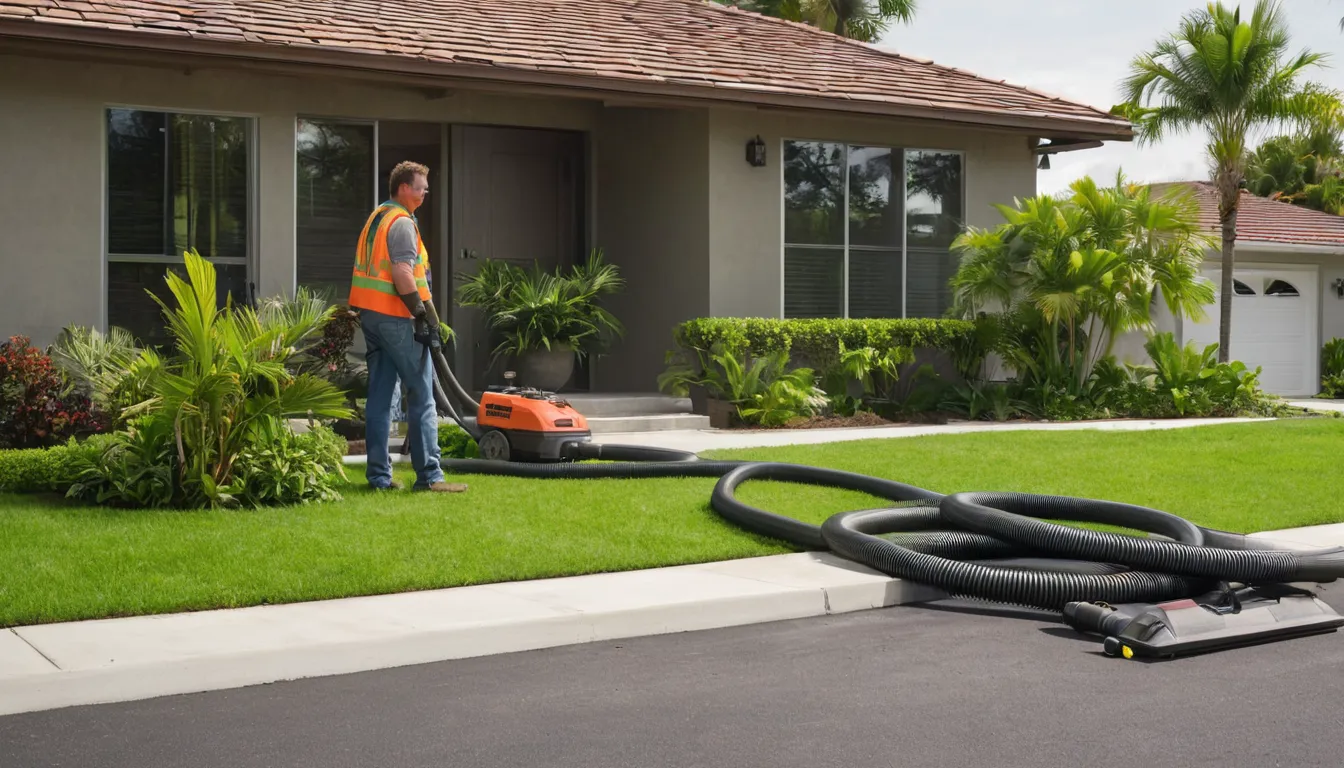
A septic tank is a buried box that holds the waste water from your home. Solids settle to the bottom and build up over time. When the tank gets too full, drains slow down, pipes gurgle, and bad smells show up. Septic tank pumping removes that buildup so the system can work again.
Satisfiedmixed Septic is a referral service. We do not pump tanks. We connect homeowners in the Weston area with independent providers who have the trucks and tools. This page shows what you can safely check yourself, what is a pro job, and what to ask before you book. You can request an estimate with no obligation.
Your tank fills slowly, so the signs can creep up on you. Watch for these:
One slow sink is often a simple clog. Several signs at once point to the tank.
If sewage is coming up inside, breathe. You can handle this one step at a time.
That is a calm first hour. You do not need to fix anything yourself.
Some jobs are fine for a homeowner. Look, don't lift. That means you check from the outside and leave the lids alone.
These notes help a provider plan the visit.
Pro job ahead: opening the tank. Lids are heavy. Gas inside can make you sick fast. Never climb in or lean over an open tank.
Providers use a vacuum truck, a long hose, and safety gear. They also know how to spot cracks and damaged parts while the tank is empty.
Solids settle in layers. Heavy sludge sinks to the bottom. Light scum floats on top. Water flows out in the middle.
If you skip pumping, solids slip out into the drainfield. That is the soil area that soaks up the liquid. A clogged drainfield is a bigger and costlier fix than a pumping.
Many homes need pumping every three to five years. Your number can differ. Tank size, household size, and water use all change it. A garbage disposal adds solids and can shorten the gap.
A provider can suggest a schedule for your home.
A backup inside the house calls for emergency septic cleaning. Availability varies by provider, but many can respond quickly. Say plainly that sewage is coming up.
Storms add a twist. Heavy rain can soak the ground around the tank. In very wet soil, a provider may choose a careful plan, since an empty tank can shift. Let them decide the safe way.
The steps are simple:
Ask for a note on anything they spot.
Many homes with septic also use a private well. Tell the provider up front. Water well service and septic care are separate jobs, but the tank and well sit near each other on your lot. A provider can note the layout and flag any worry.
A pumping visit is a good time for an inspection. With the tank empty, a provider can see the walls, pipes, and filter. Ask whether the visit includes a written report.
If the inspection finds a clogged or soggy drainfield, that is a different job. Drainfield repair has its own scope and quote.
Buyers often want proof the tank is in shape. Sellers can pump ahead of time and keep the paperwork. Lenders may ask for an inspection. Records show the next owner that the system got care.
Humid weather and summer storms keep soil damp. Light water use gives your drainfield room to breathe.
A clear written quote helps you compare providers.
A vacuum truck removes sludge, scum, and liquid so your tank has room to work again.
Providers find and open buried lids, so you do not need to dig.
With the tank empty, a provider can look at baffles, the filter, and the walls.
Many providers share what they found, so you can keep a record for later.
Prices vary by tank size, location, and how easy the lids are to reach. These are typical U.S. ranges only. Ask each provider for a written quote before you agree to any work.
| Item | Typical range | Notes |
|---|---|---|
| Standard tank pumping | $250 – $600 | Most homes with a 1,000 to 1,500 gallon tank |
| Large tank pumping | $500 – $900 | Bigger tanks hold more and take longer |
| Emergency or after-hours visit | $100 – $300 extra | Added to the base price; varies by provider |
| Finding a buried tank | $75 – $250 | Needed when lids are lost under soil |
| Riser installation | $300 – $900 | Makes future lids easier to reach |
| Tank inspection | $100 – $450 | Often a separate line on the quote |
Note slow drains, gurgling, smells, or wet yard spots. Write down what you see and when it began.
Pause showers, laundry, and the dishwasher until a provider has looked at the tank.
Request a callback to check availability, or send an estimate request with your notes.
Ask what is included, get the price in writing, and then book the visit that fits.
We explain each step in short words, so you know what to check, what to skip, and what comes next.
We show where a homeowner can help and where gas, heavy lids, and deep tanks need a pro.
Independent providers in our network know the soil, weather, and homes in your area.
Request an estimate, compare, and choose. You decide with no pressure.
Tell us what is going on. Request a callback to check provider availability, or send the request form for an estimate with no obligation.
No obligationLook for slow drains, gurgling pipes, sewage smells, or soggy grass over the tank area. Several signs at once suggest a full tank. A provider can confirm it with a quick check.
Many homes need pumping every three to five years. Tank size, number of people, and water use change that. A local provider can suggest a schedule that fits your home.
No. Tanks hold harmful gas, and lids are heavy. You also need a vacuum truck and a legal place to take the waste. This is a job for a pro.
Tell us what is going on. Request a callback to check provider availability, or send the request form for an estimate with no obligation.
No obligation